Specialized sticks and replacement blades trusted by national teams across Korea, Japan, Italy, and Russia. From 100% carbon composite down to fiberglass-reinforced wood — light, balanced, durable.
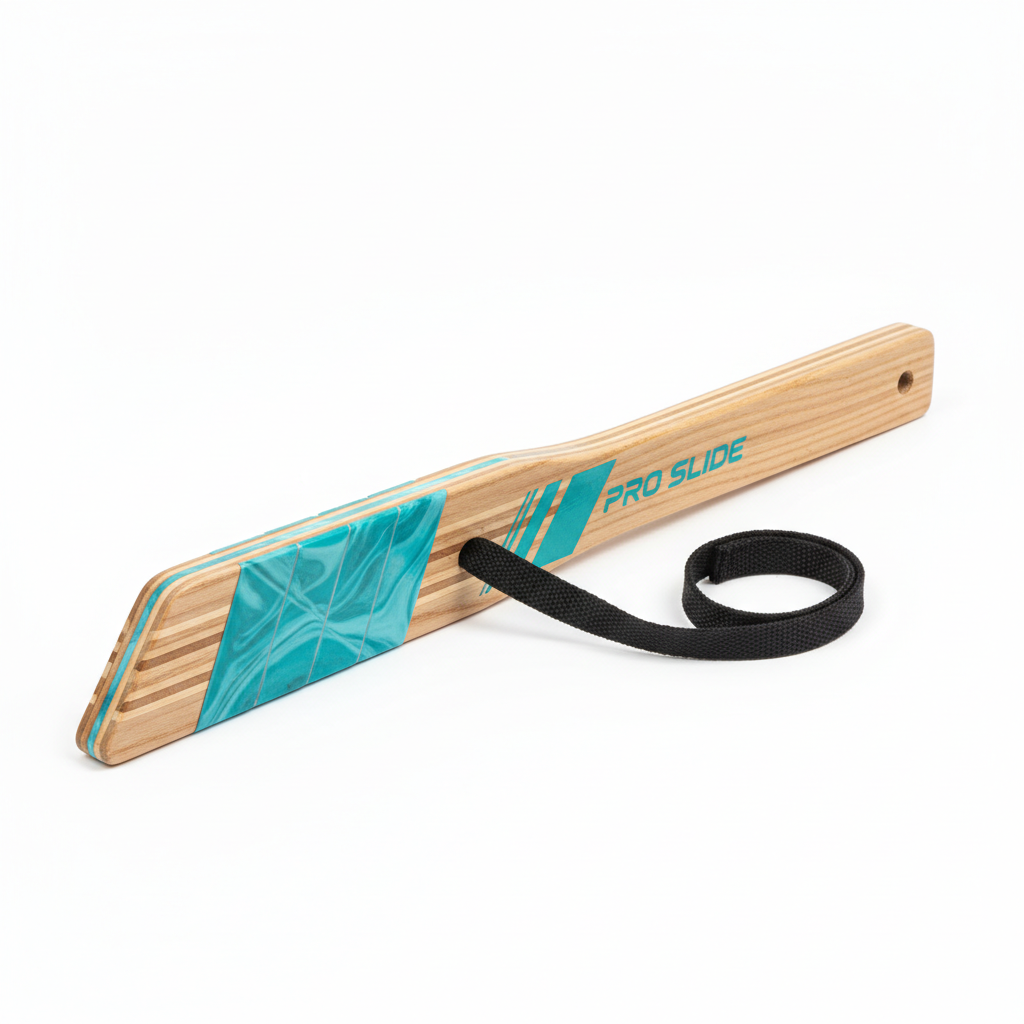
One model engineered specifically for the sledge hockey goalie position — used by Korea, Japan, and Italy national teams.
Choose a 100% carbon composite at 225g for pro-level performance, or a lightwood + fiberglass build at 305g with two blade pattern options.
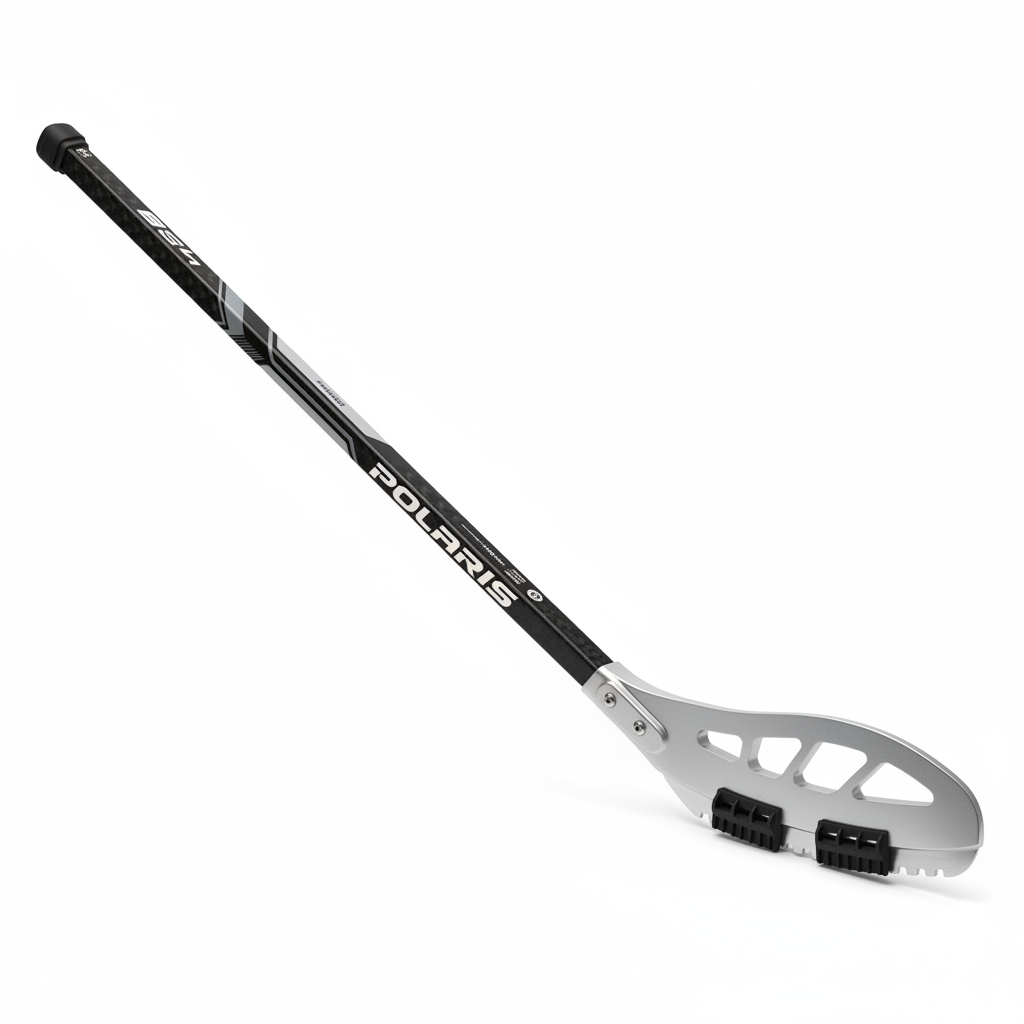
100% carbon sledge hockey composite stick. Foam core with 12K weave reinforcement covering the full length. Light and durable — popular with advanced players and national teams.
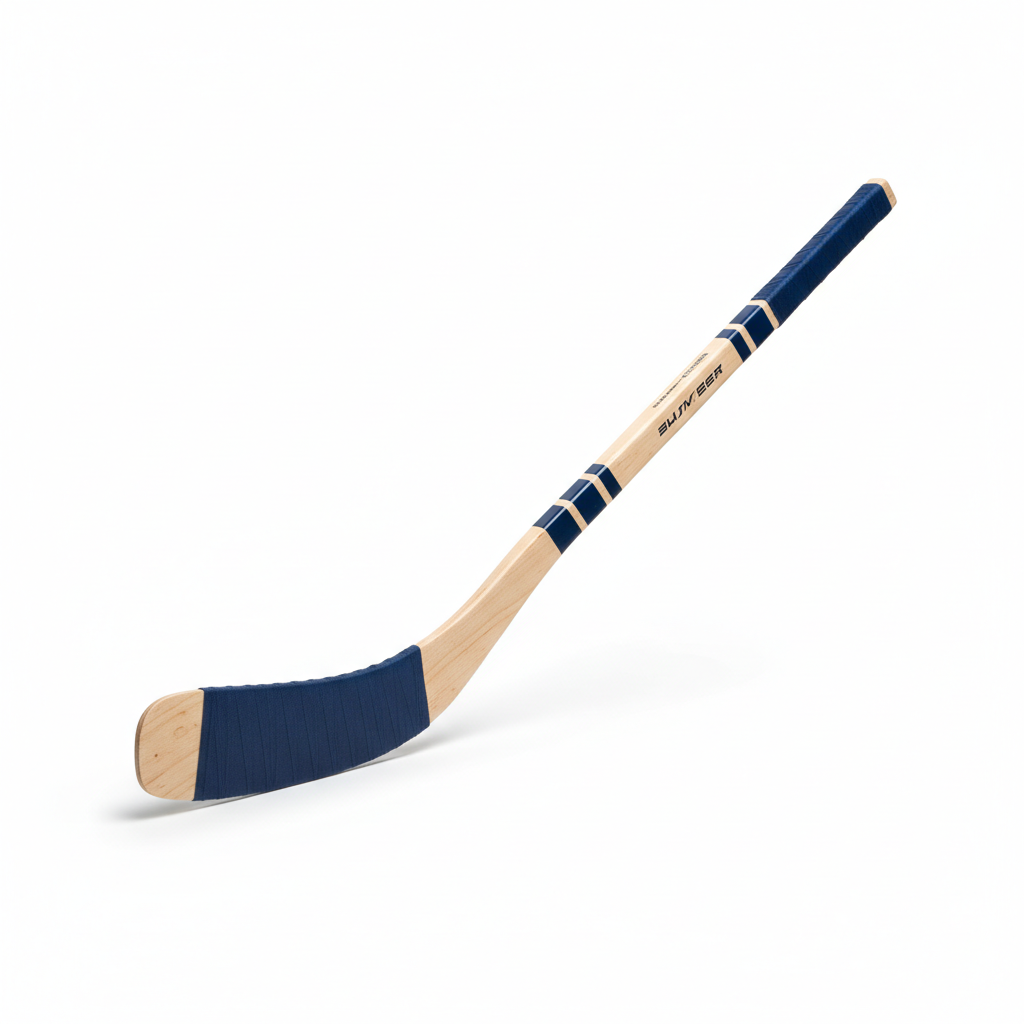
Durable, high-quality wooden player stick — perfect for advanced or pro-level sledge hockey players. Multilam fiberglass-reinforced blade with extra reinforcement at the shaft top.
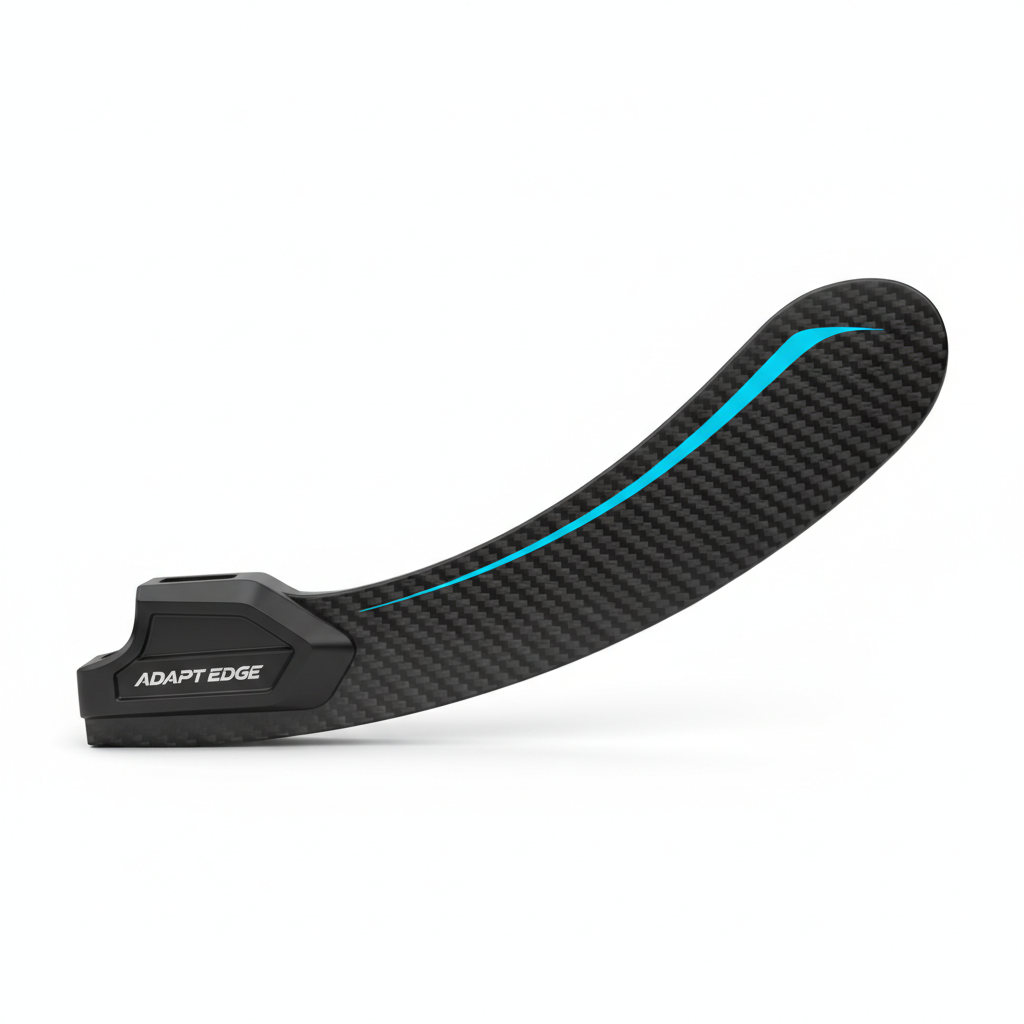
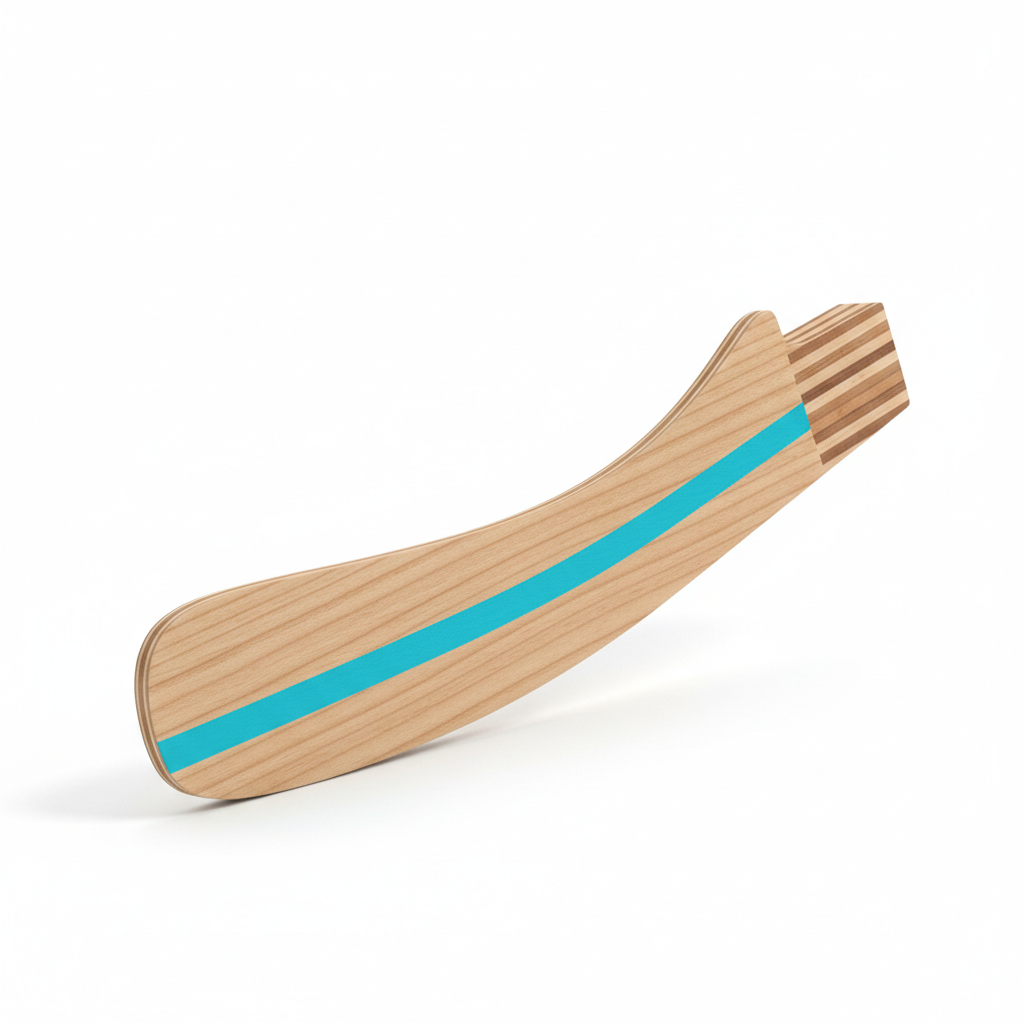
When the blade wears out, replace just the blade. Two options: lightweight carbon hybrid (CARBONIC) or durable fiberglass-reinforced 7-lam wood (SPONIC). Both ship with SHB pattern.
Lightweight replacement blade with hybrid construction. Carbon fabric reinforcement gives optimal stiffness without losing its lightness. Carbon-fiberglass laminate reinforced hosel.
Extra durable, stiff and comfortable. Fiberglass-reinforced 7-lam super-durable blade with 12-multilam plywood hosel. Optimally balanced stiffness for any level.
Sledge hockey (or "para ice hockey") is played on the same ice as standard hockey — but seated. Athletes use two shortened sticks: one end has a pick for propulsion, the other a blade for shooting and passing.
Players sit on aluminum-framed sleds with two skate blades underneath. The blades are spaced wide enough to allow the puck to pass beneath.
Each stick is around 60–100cm long. One end has metal teeth (pick) for propelling across the ice, the other has a curved blade for puck handling.
Three 15-minute periods. Same rink dimensions as standard hockey. Sledge hockey debuted at the 1994 Lillehammer Paralympics and is among the most-watched winter para sports.